
For many first-time safari guests, spotting the Big Five is at the top of the bucket list. Lion, leopard, elephant, rhino, and buffalo are undoubtedly incredible animals, and seeing them in the wild is something you’ll never forget.
But ask an experienced safari guide about their favourite sighting, and you may be surprised by the answer.
Often, it’s not a lion or an elephant at all.
The African bush is home to hundreds of remarkable species, each playing an important role in the ecosystem. From intelligent predators to tiny insects that keep the landscape healthy, some of the most memorable safari moments come from animals that many guests never expected to fall in love with.
At The Springbok Lodge, every game drive is an opportunity to discover that there is so much more to the bush than the Big Five.
Black-Backed Jackals: Small but Remarkably Clever
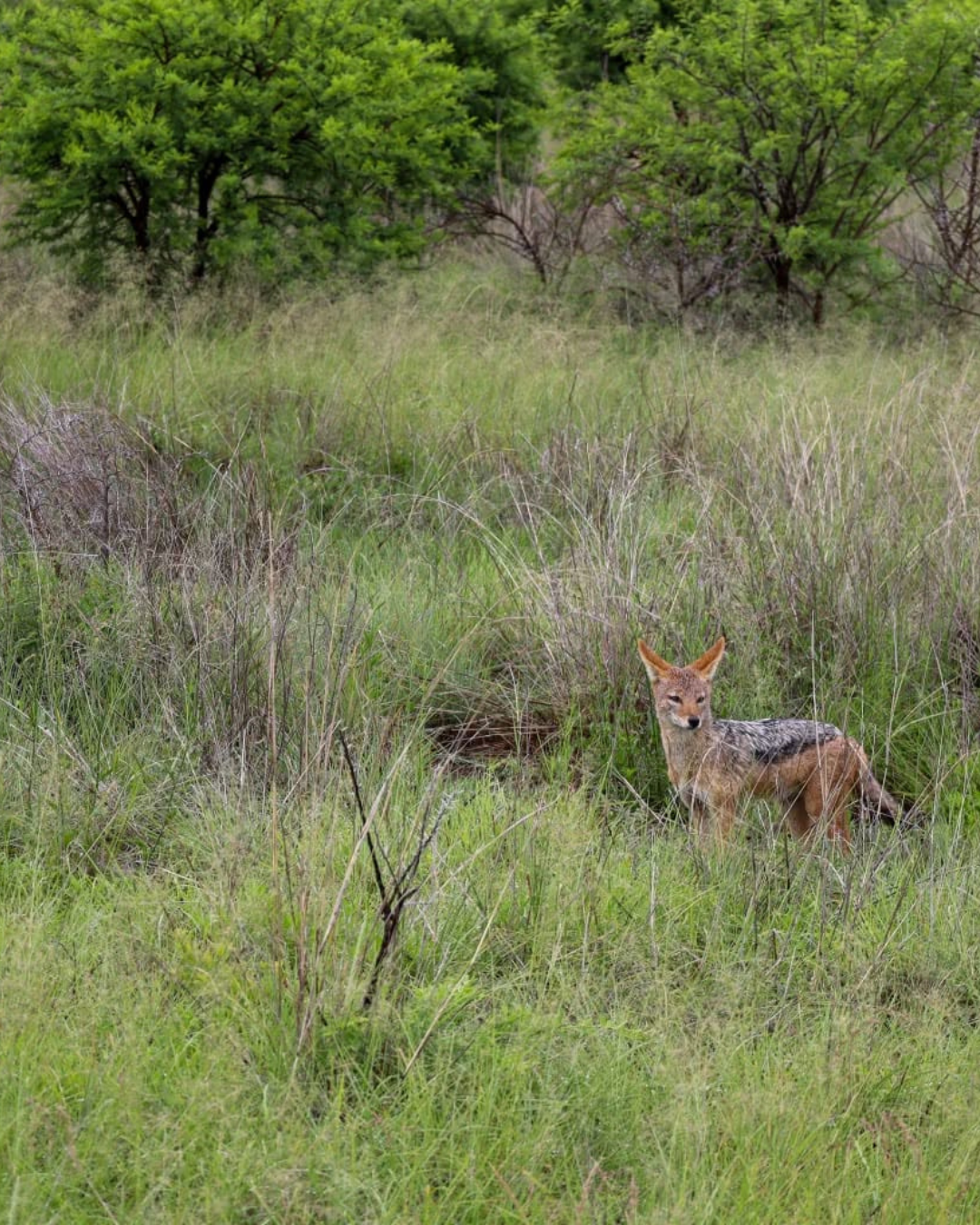
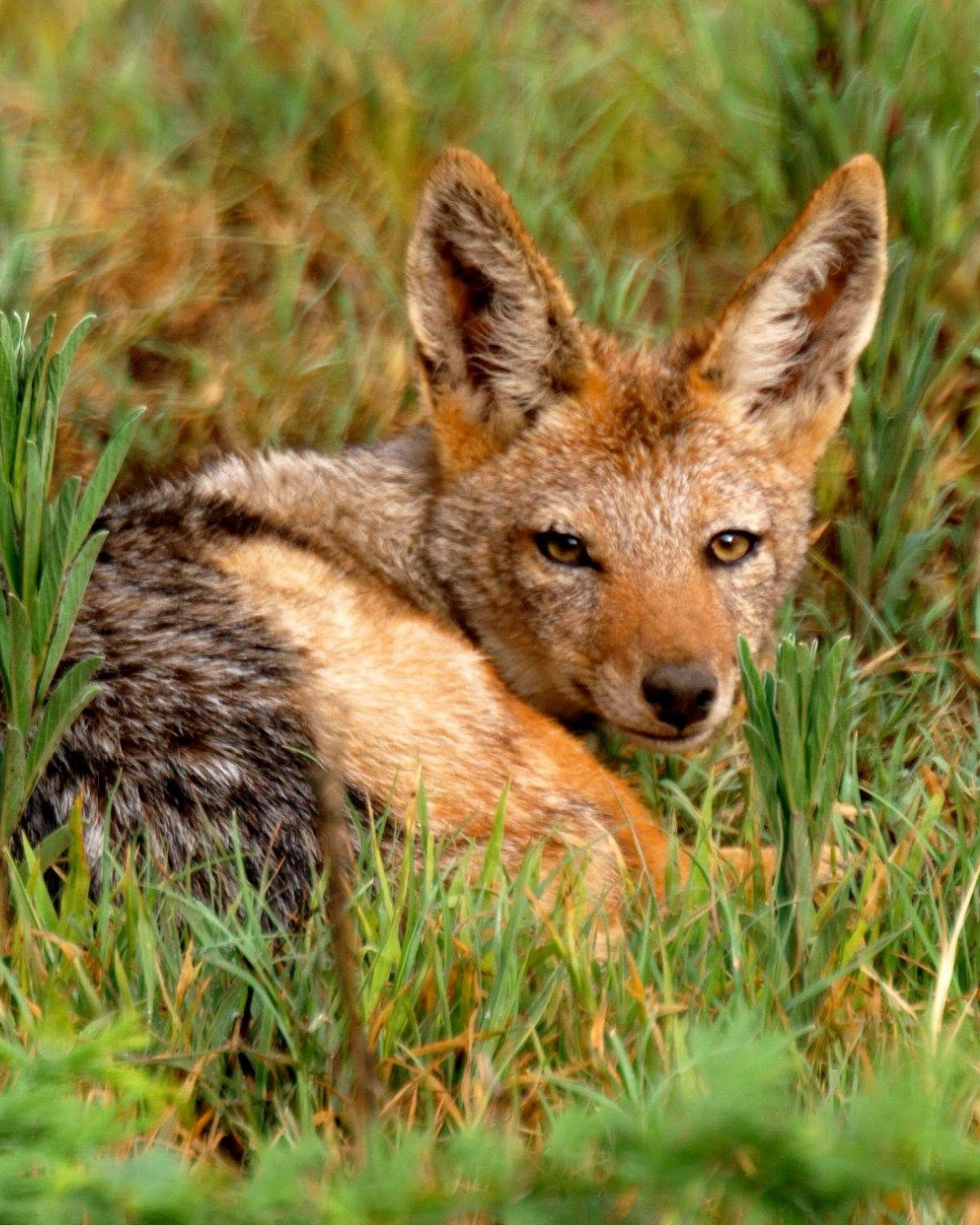
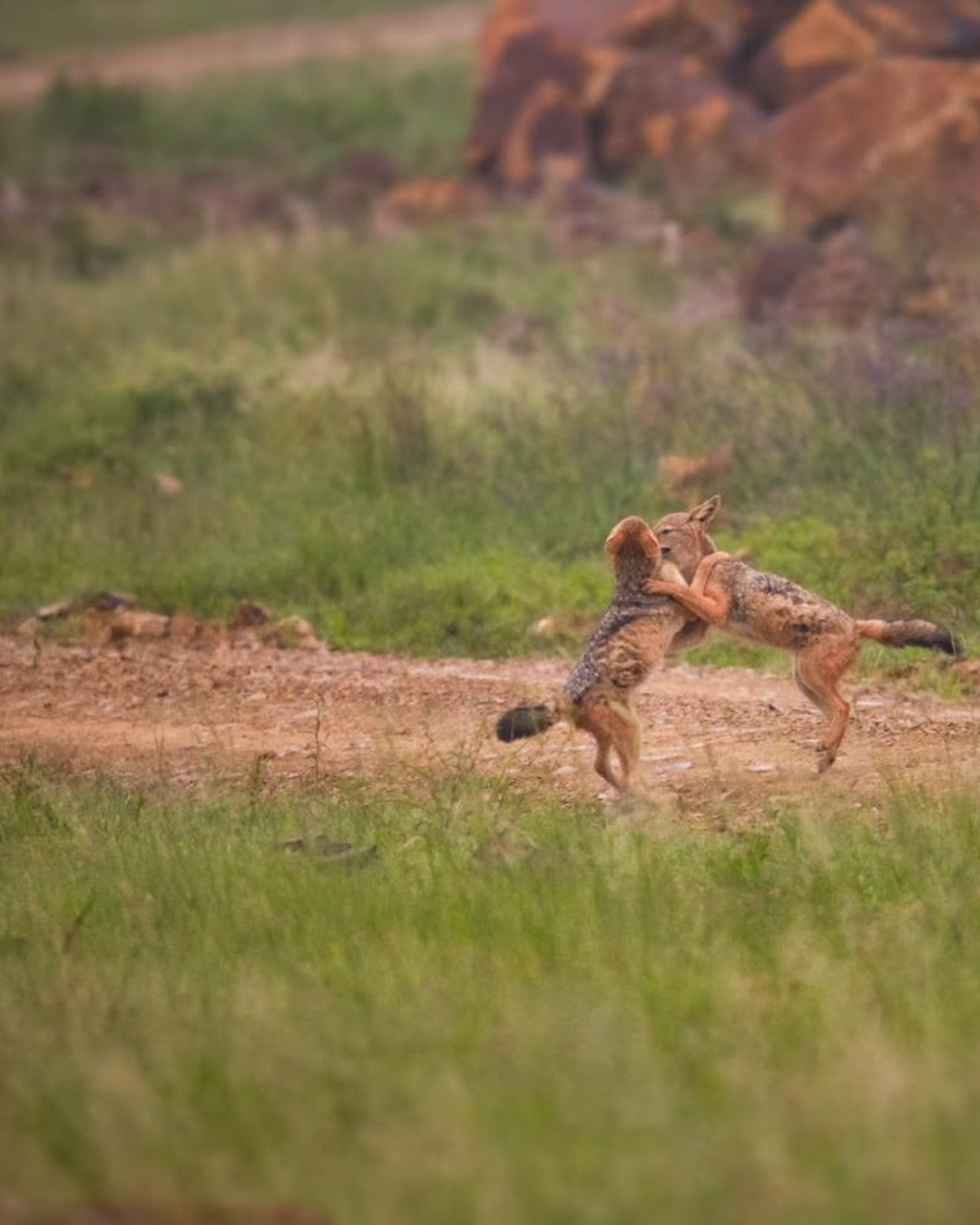
The black-backed jackal is one of Africa’s most adaptable predators.
Often seen trotting along the road at sunrise or sunset, these intelligent animals are skilled hunters, scavengers, and devoted parents. They usually form lifelong breeding pairs, with both the male and female helping to raise their pups and defend their territory.
Their sharp senses and constant awareness make them fascinating to watch, and they are often among the first animals to arrive after a predator has made a kill.
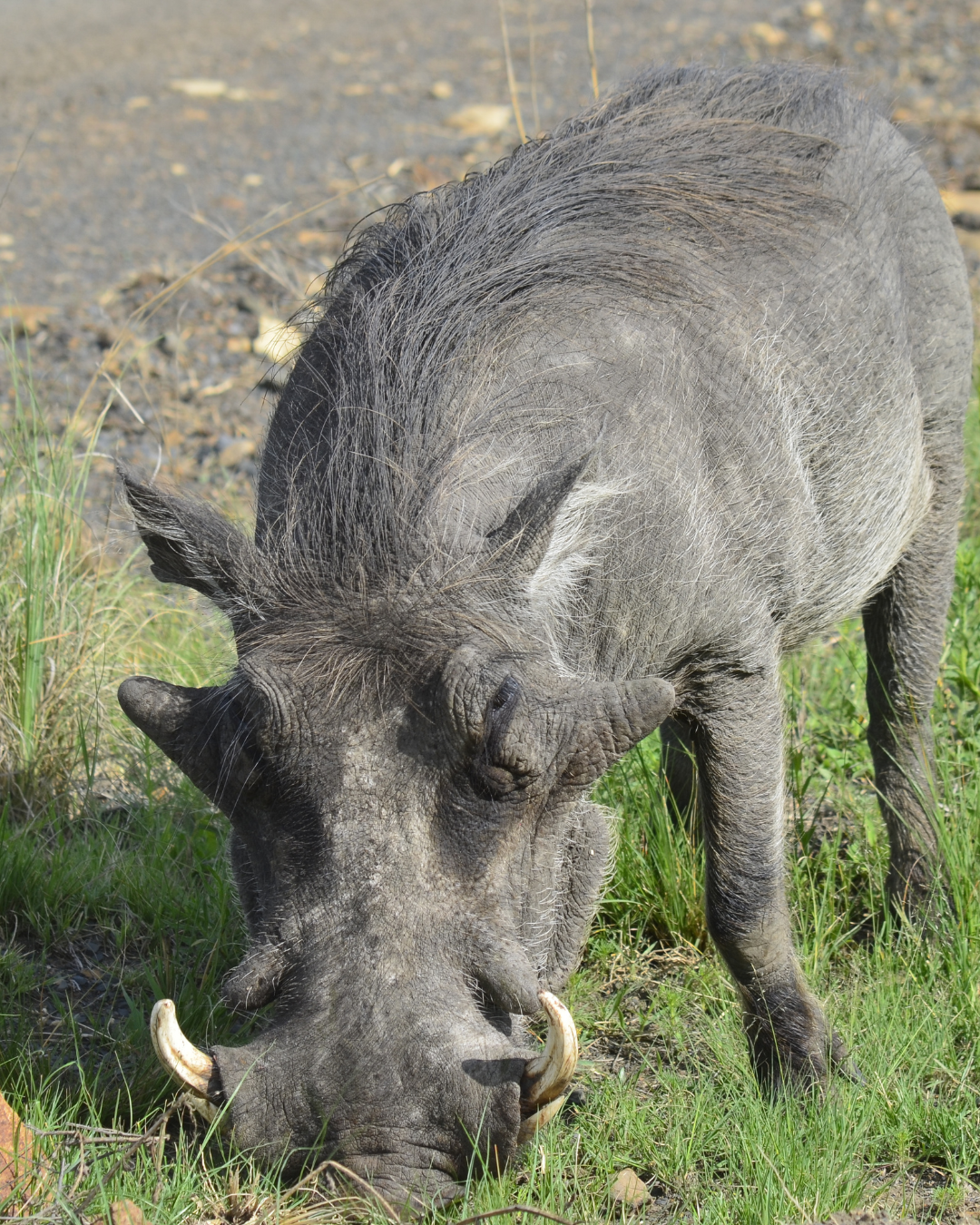
Warthogs: More Than Just a Funny Face
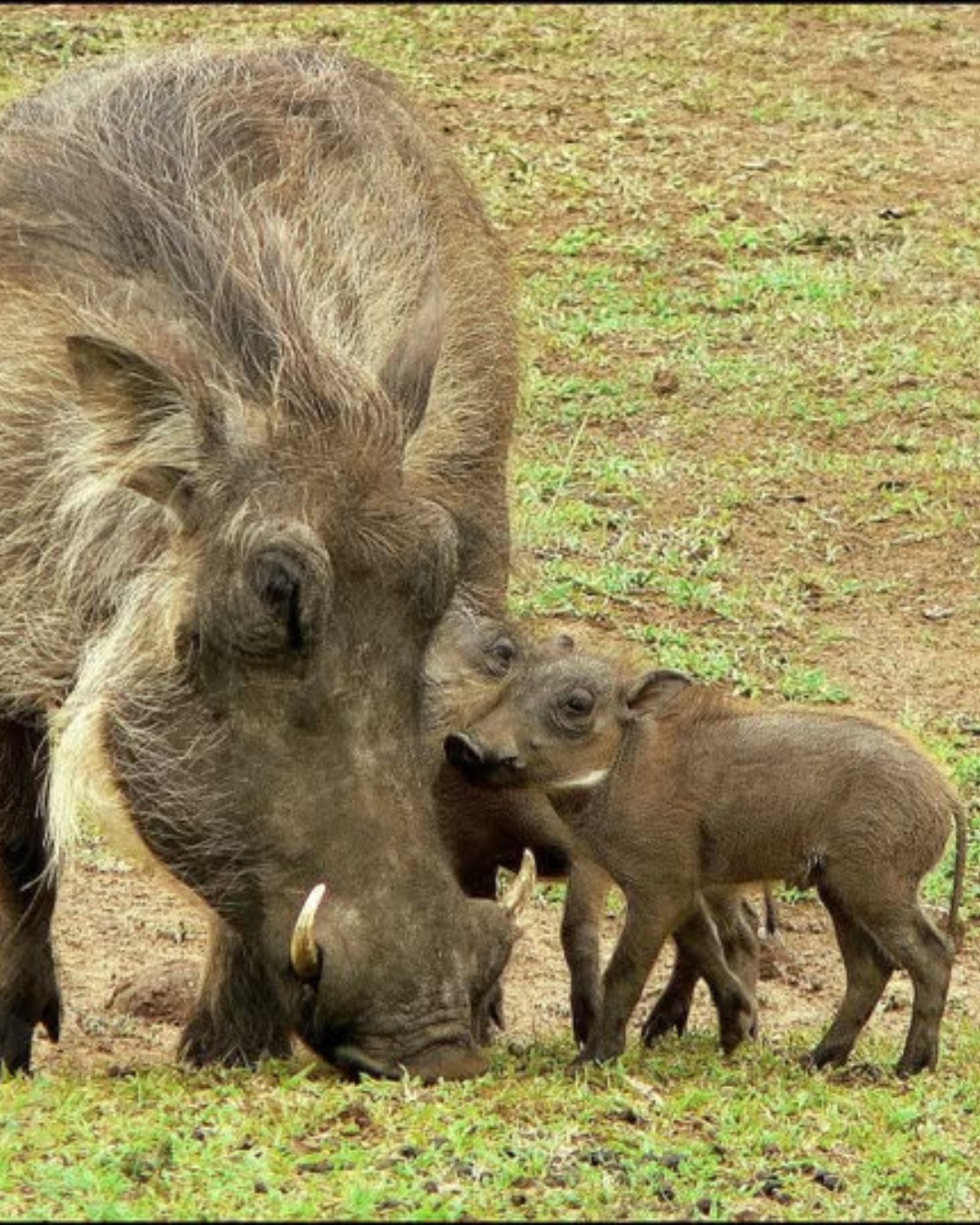
Warthogs have become famous for their comical appearance, but there’s far more to them than their tusks and speedy dash across the veld.
Did you know they enter their burrows backwards?
By backing in, they keep their tusks facing the entrance, giving them a better chance of defending themselves if danger approaches.
Watching a family of warthogs trot through the grass with their tails held high is guaranteed to bring a smile.
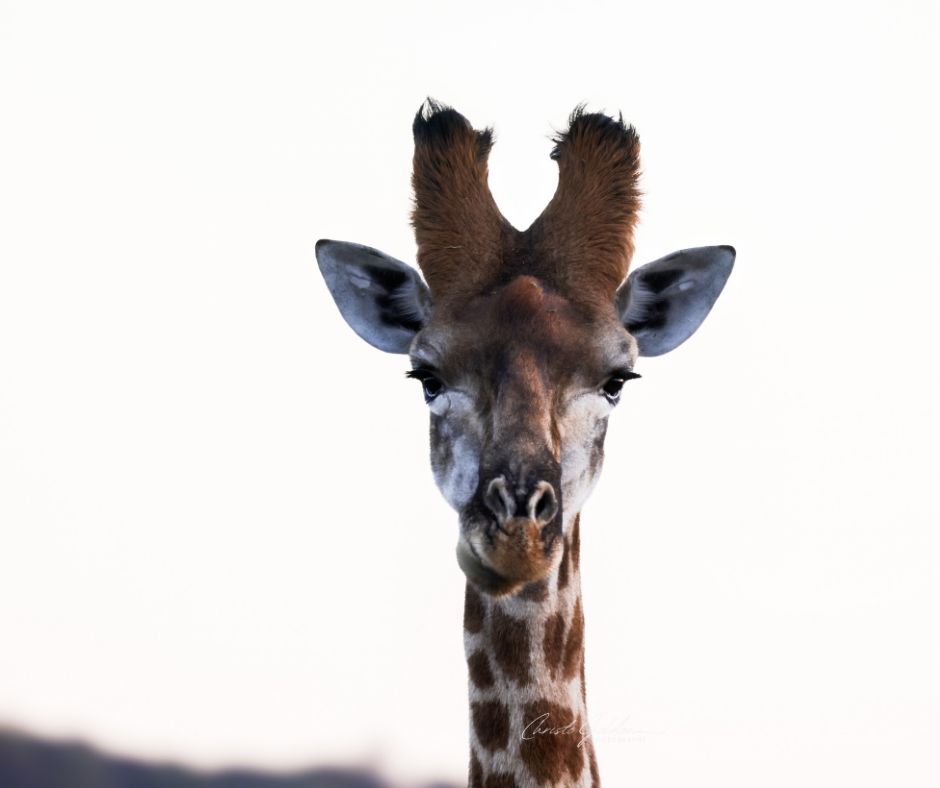
Giraffes: Gentle Giants with Fascinating Behaviour
Towering above the trees, giraffes are often admired for their beauty, but their behaviour is equally captivating.
Male giraffes spend much of their lives travelling alone or forming loose temporary associations with other bulls, while females raise their calves without any help from the males.
One of the most fascinating sights is watching a giraffe approach a waterhole. Before lowering its head to drink, it will often spend several minutes scanning for danger. With its legs spread wide and head lowered, it becomes vulnerable to predators, making every drink a calculated risk.
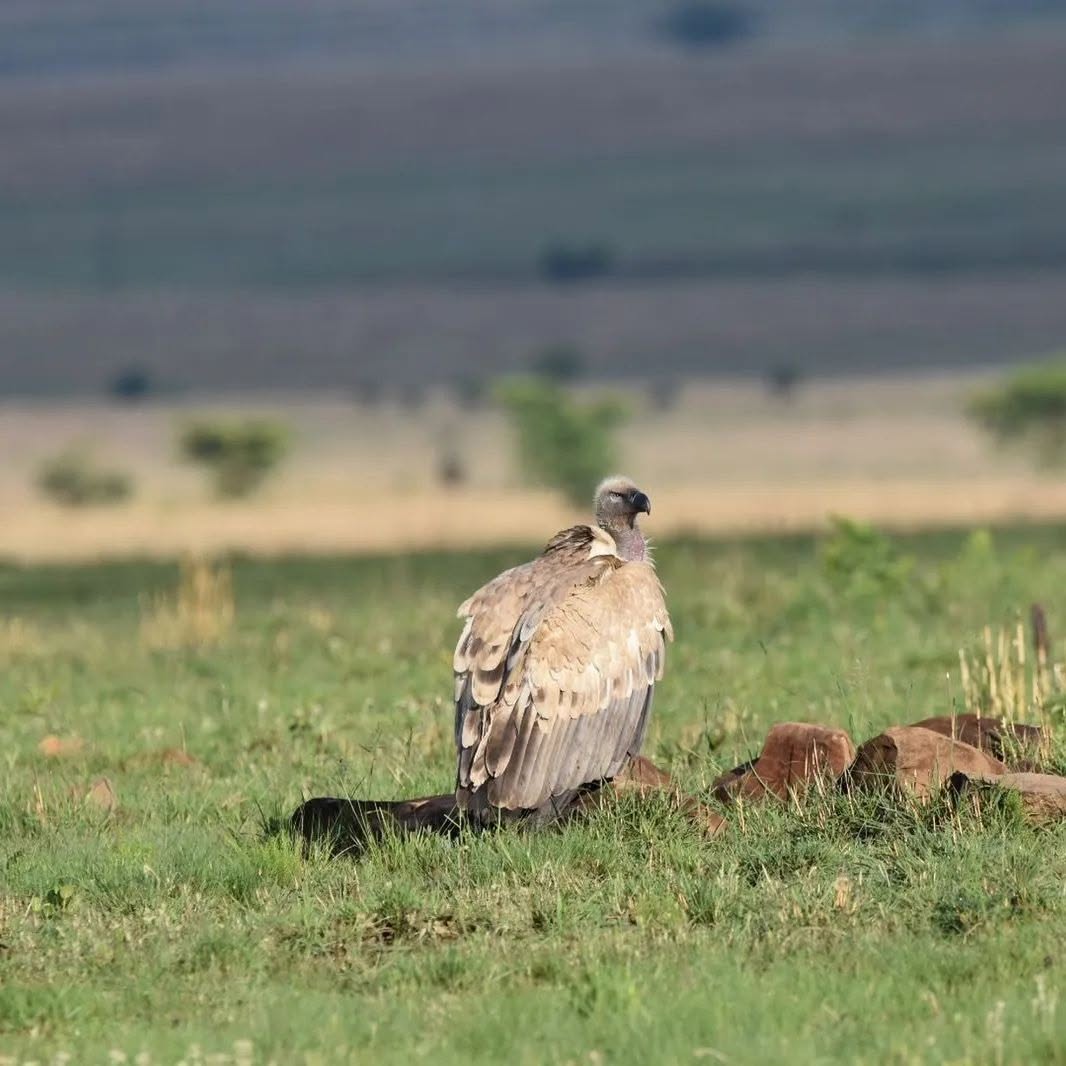
Vultures: Nature’s Clean-Up Crew
Few animals are as misunderstood as vultures.
While they may not be considered glamorous, they play one of the most important roles in the African bush by cleaning up carcasses before disease can spread.
Their incredible eyesight allows them to spot food from kilometres away, and seeing several vultures circling overhead often tells guides that something interesting may be happening nearby.
Without vultures, ecosystems would be far less healthy.
Dung Beetles: Tiny Animals with a Huge Job
It’s easy to drive past a dung beetle without giving it a second thought.
Yet these tiny insects help recycle nutrients, improve soil quality, reduce parasites, and even disperse seeds throughout the bush.
Some species can roll dung balls many times heavier than their own body weight—a remarkable feat for such a small creature.
They may be tiny, but they are among the hardest-working animals on safari.

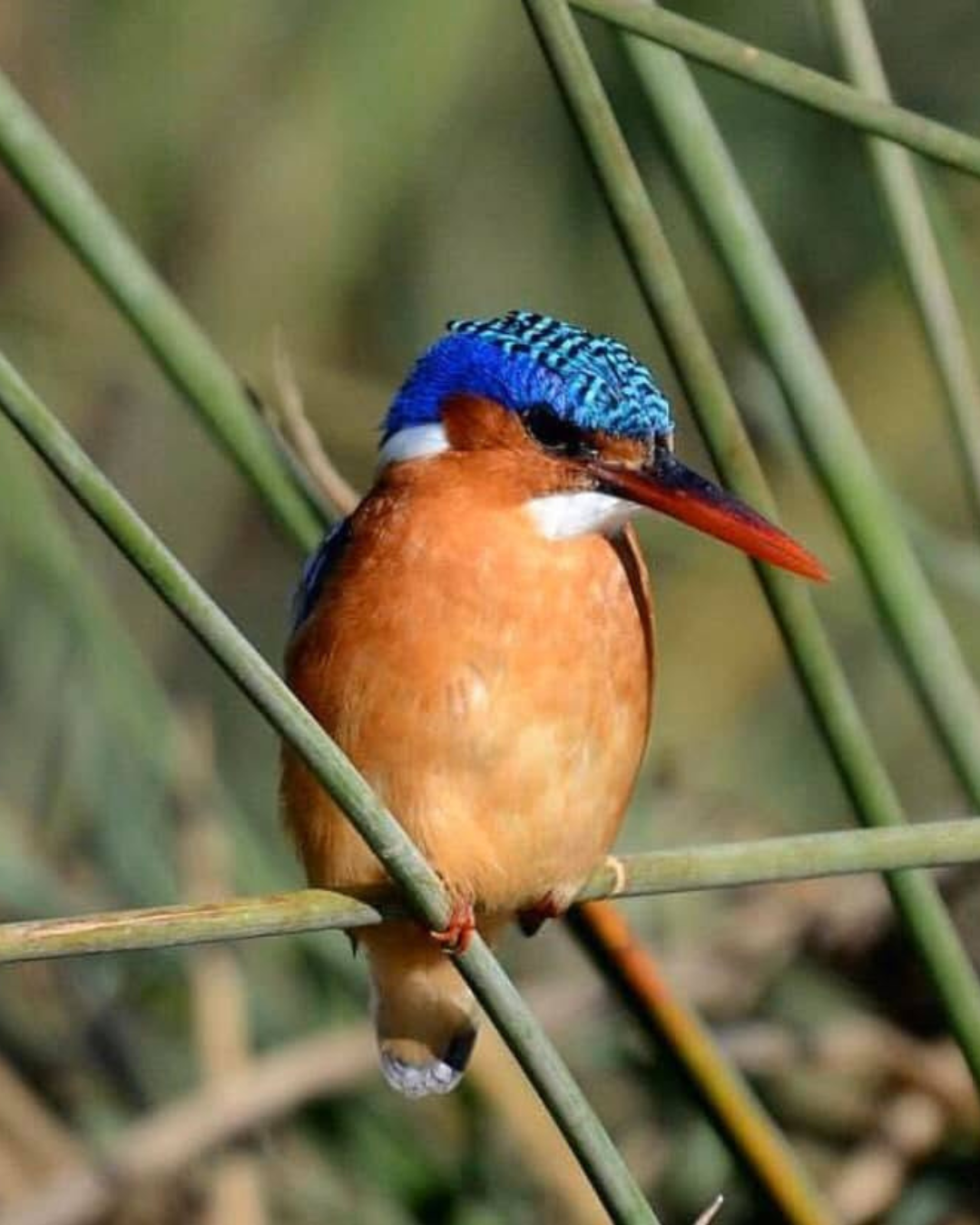
Birds That Steal the Show
While many guests arrive hoping to see large mammals, they often leave talking about the birds.
The vivid colours of the lilac-breasted roller, the unmistakable call of the African fish eagle, or the comical antics of hornbills can become just as memorable as a lion sighting.
Birdlife adds another layer to every safari, rewarding guests who take the time to look beyond the obvious.
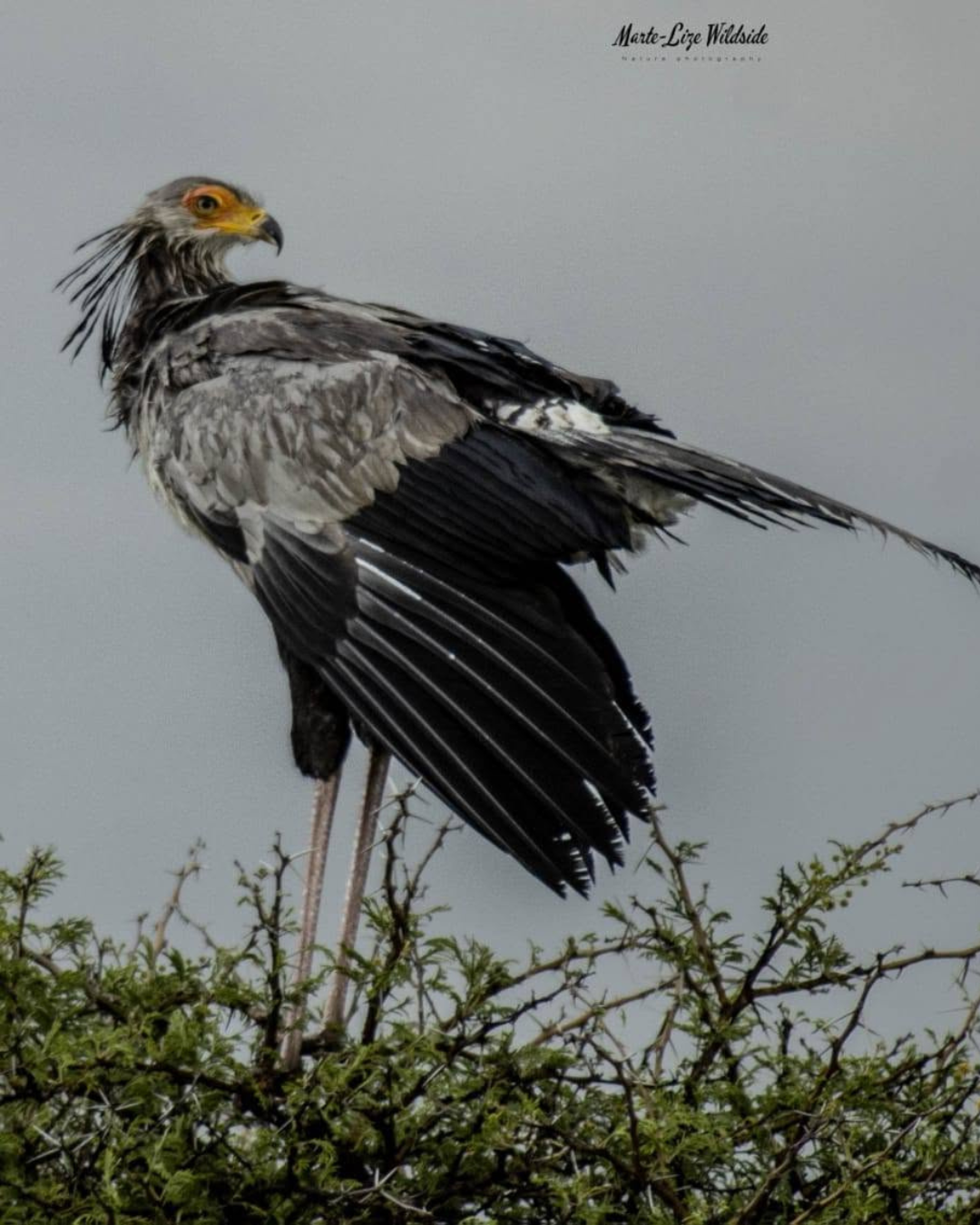
Every Animal Has a Story
One of the greatest joys of staying at The Springbok Lodge is learning that every animal has something fascinating to teach us.
Our experienced guides don’t simply help you find wildlife—they help you understand it. Whether it’s explaining why jackals mate for life, how dung beetles support the ecosystem, or why vultures are essential for conservation, every game drive becomes an opportunity to see the bush through a different lens.
The Big Five may inspire people to visit South Africa, but it’s often the smaller, quieter moments that stay with you long after you’ve returned home.
So, on your next safari, celebrate the lion, marvel at the elephant, but don’t forget to stop for the jackal crossing the road, the dung beetle hard at work, or the vulture soaring overhead.
You may discover that your favourite safari memory comes from the wildlife you never expected to notice.